


What a Commercial Sewer Camera Inspection Reveals — And When Your Western MA Business Needs One
A drain that backs up once is a disruption. A drain that backs up every few months is a pattern. The line may get snaked, the water may move again, and business may return to normal for a while. Then the same issue comes back, usually at the worst time.
That is when a sewer camera inspection becomes useful. Instead of guessing from the surface, Hurley Plumbing’s sewer and drain camera inspections allow a plumber to see inside the pipe and identify the cause, location, and severity of the issue. For Western MA businesses, that means decisions about cleaning, repair, or replacement can be based on visible evidence instead of assumptions.
How a Commercial Sewer Camera Inspection Works
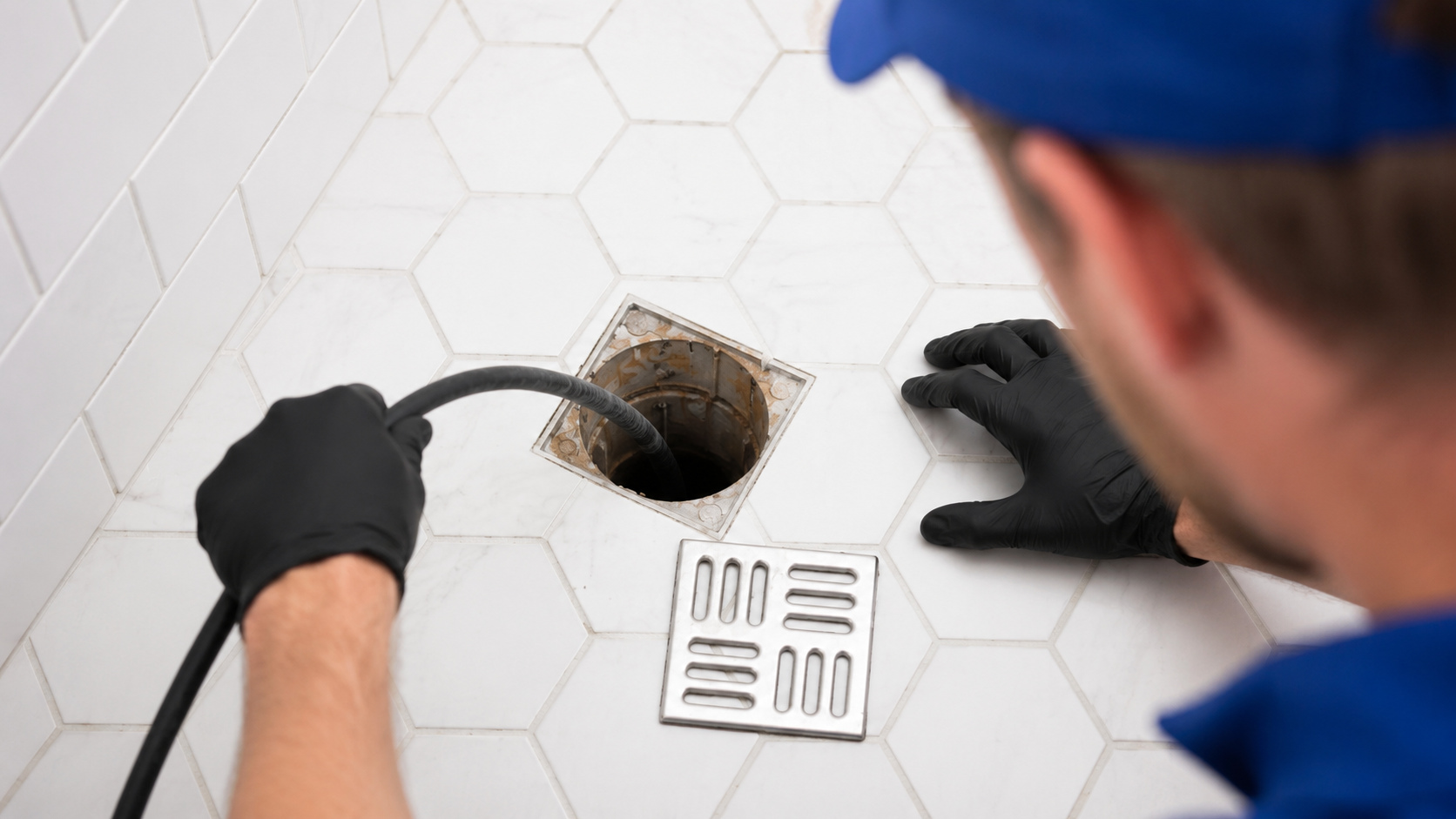
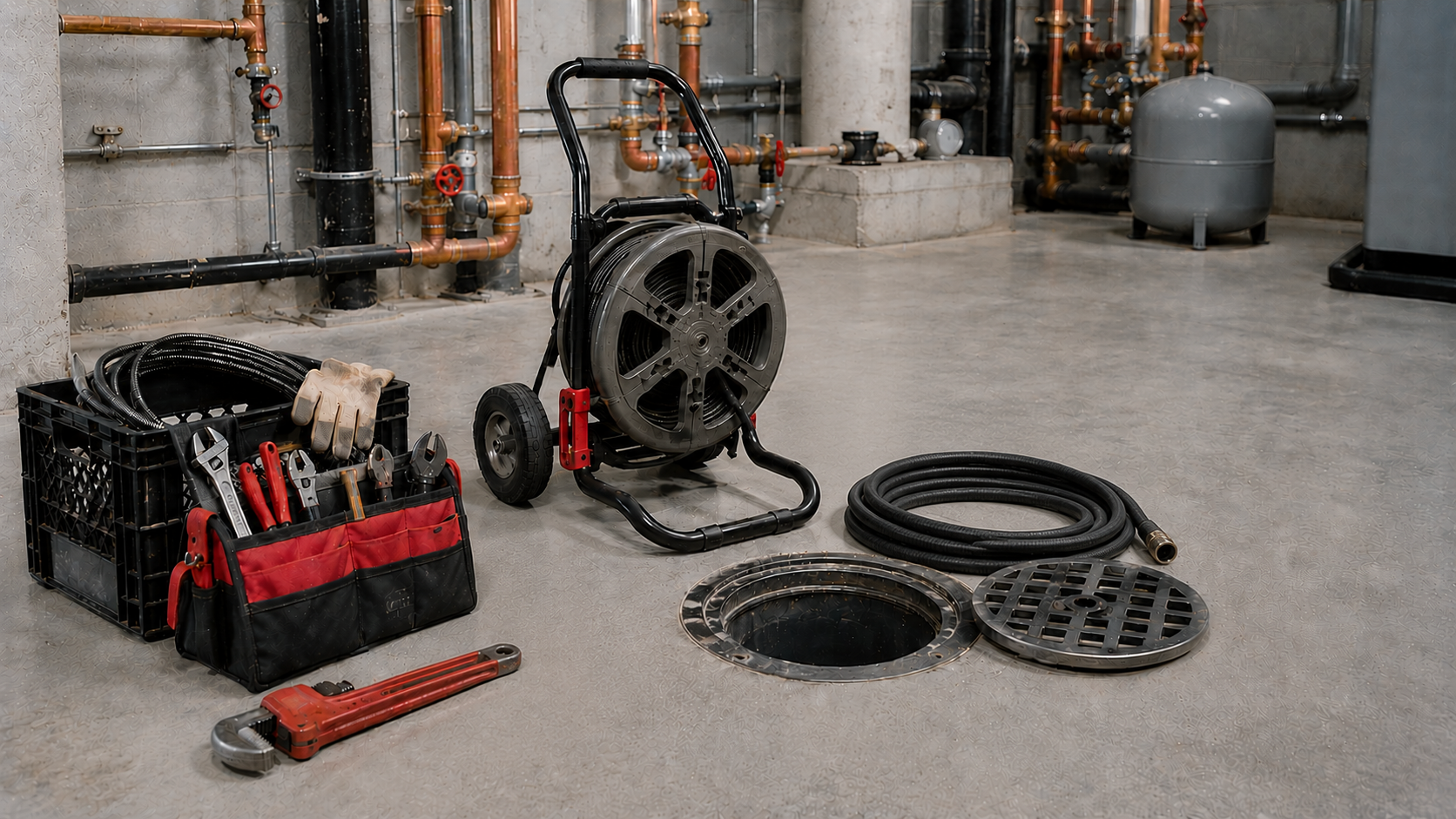
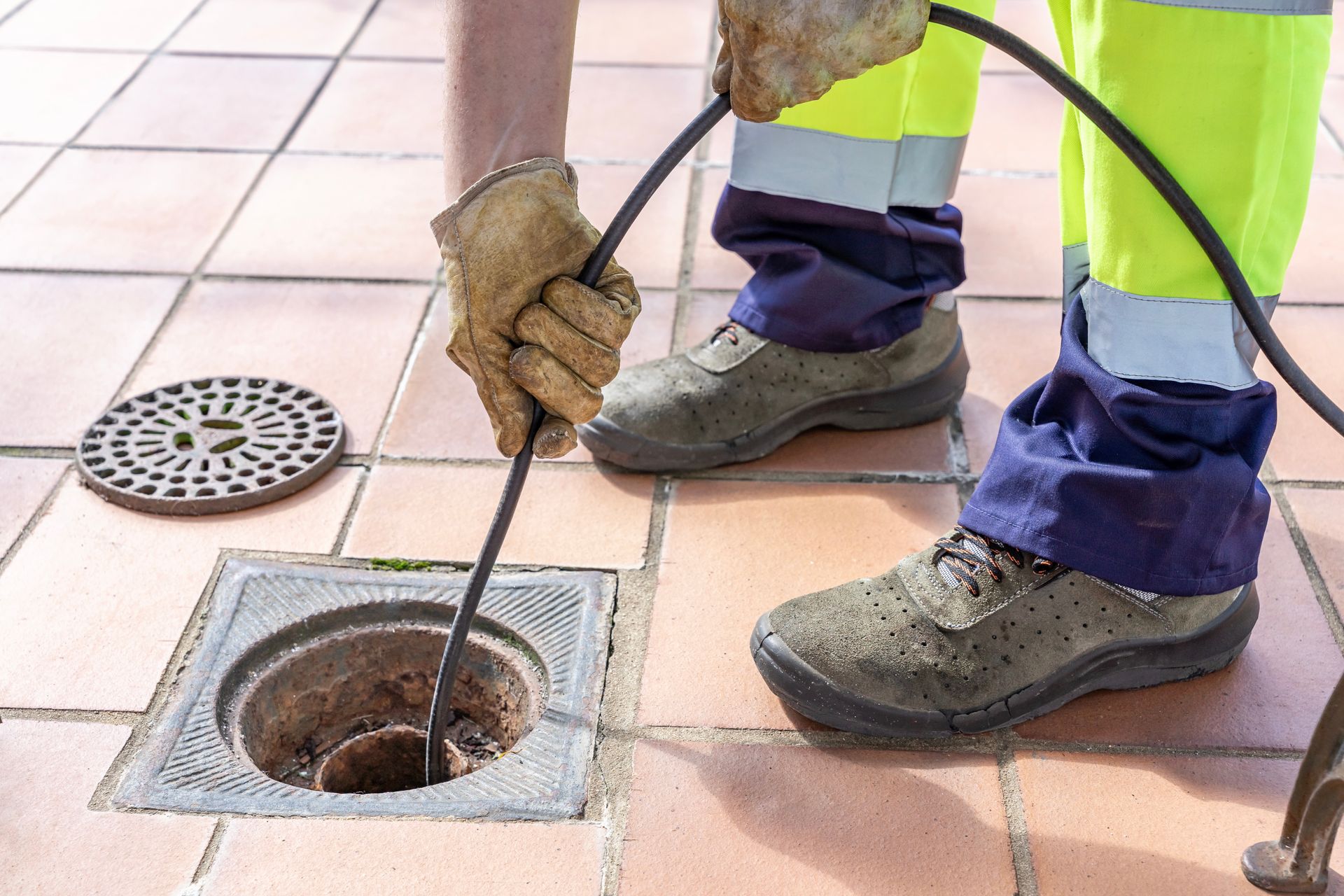
The process usually starts at a cleanout or another approved access point. A high-resolution waterproof camera is attached to a flexible push rod and guided through the sewer or drain line. As it moves through the pipe, live video appears on a monitor above ground.
This footage lets the plumber look for blockages, standing water, root growth, cracks, damaged joints, and other conditions that may be affecting flow. Many camera heads also include a transmitter, sometimes called a sonde, which helps locate the camera from the surface. That allows the technician to identify the position and depth of a concern without digging just to find it.
For many standard lines, the inspection is non-invasive and can often be completed in under an hour. Larger commercial systems, multiple lines, or limited access can take longer, but the goal is simple: see what is happening before deciding what work is needed.
What the Camera Finds That Snaking Cannot Tell You
Snaking can open a blocked drain, but it does not explain why the same section keeps backing up. That is the difference between clearing a symptom and understanding the cause. Video pipe inspection can show whether the issue is grease, roots, scale, sagging pipe, a break, or a collapsed section. Tree root intrusion is one of the common findings. Roots naturally seek moisture and can enter through pipe joints, small cracks, or weak spots. Once inside, they catch waste and debris until the drain slows or backs up. Camera footage shows how far the roots have spread and whether cleaning may be enough. If the pipe is fractured or compromised, sewer line repair may be needed.
Grease, scale, and buildup can also look very different on video. In a restaurant or commercial kitchen, grease may collect along the pipe walls and reduce the opening. In older cast iron, internal scale can create a rough surface that keeps catching debris. Seeing the inside of the pipe helps separate a cleaning issue from a condition that may keep causing trouble. Cracks, breaks, and offset joints are another reason recurring clogs happen. An offset joint forms when two pipe sections no longer line up correctly. That small ledge can trap waste, paper, grease, and other debris. If backups keep happening in the same area, the pipe alignment may be part of the story.
A camera can also reveal bellies, which are low spots where the pipe has settled. Instead of flowing through, water sits in the low area. On video, this may appear as standing water that remains after the camera passes. Over time, solids can settle there and create repeated blockages.Collapsed sections are more serious. In some cases, the camera cannot move beyond a certain point. When that happens, the location information matters because it narrows down where the failure may be instead of leaving the property owner to guess from the surface.
Video inspection shows what is visible inside the pipe. It cannot detect leaks outside intact pipe walls, and it cannot see past a fully collapsed section. Even with that limitation, there is a major difference between “the drain is clogged” and “there is an offset joint 42 feet out at 6 feet deep.” One is a general complaint. The other gives you a starting point for a repair plan.

When Your Business Needs a Sewer Camera Inspection
A camera inspection is worth considering when the same drain backs up again after cleaning. If snaking or jetting solves the issue only for a short time, something inside the pipe may be catching debris. The cause could be grease, an offset joint, or another condition that drain cleaning alone cannot identify.
Several slow fixtures at once are another warning sign. One slow sink or floor drain may be isolated. Multiple slow drains, toilets, or fixtures can point toward the main line. In a commercial building, that can affect restrooms, kitchens, utility areas, and tenant spaces.
A sewer scope can also be valuable before buying or leasing an older property. The drain system is easy to overlook during a walkthrough, but a hidden underground failure can become expensive after closing or after the lease is signed. A sewer line inspection before buying gives owners, buyers, and tenants better information before they commit.
Unexplained odors, wet areas, pavement dips, or soft spots outside the building may also point to underground drainage concerns. These signs do not prove the pipe has failed, but they are reasons to take a closer look before the issue grows.
Camera work is also helpful before and after major drain service. Before hydro jetting, video can help confirm whether the pipe appears suitable for high-pressure cleaning. After the line is cleaned, another look can verify that the buildup has actually been removed. This “jet, then verify” approach gives commercial property owners a clearer answer than cleaning alone.
Why Pipe Age Matters in Western MA
Western MA has many older commercial buildings, especially in communities such as Springfield, Holyoke, Westfield, and Chicopee. Buildings that predate 1970 may still have older sewer lateral materials such as clay, cast iron, or Orangeburg. The material does not automatically mean the line is failing, but it can affect the type of trouble that develops over time.
Clay pipe can be more vulnerable to root intrusion at joints. Cast iron can corrode and develop internal scale after decades of use. Orangeburg, a bituminous fiber pipe used from the mid-1940s into the early 1970s, is now past its expected lifespan wherever it remains and can deform under soil pressure.
For buildings of this era, a video pipe inspection is often the only practical way to confirm the material and condition without digging. The footage gives commercial owners a clearer view before approving repairs, planning renovations, or taking on a property.

Beyond the Sanitary Line: Storm and Site Drainage
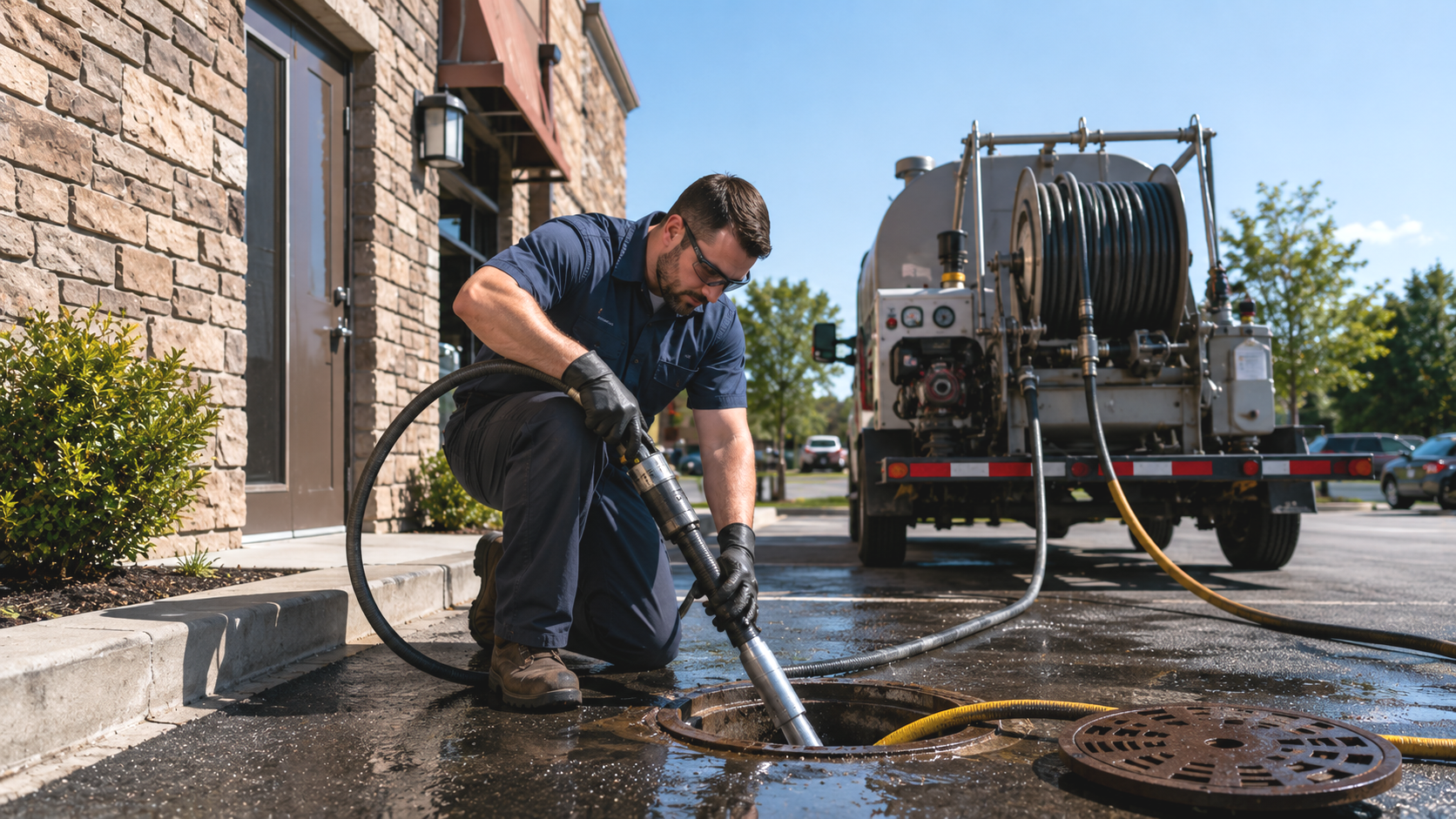
Camera inspections are not limited to sanitary sewer laterals. Storm lines, roof leaders, and site drainage can also be scoped when water keeps pooling around a building, loading area, sidewalk, or parking lot. The same process can help locate a blockage, crushed section, break, or low spot before excavation is considered.
This matters for businesses with large paved areas, flat roofs, or drainage systems that are hard to trace from the surface. Hurley Plumbing also works with storm drains, giving commercial property owners another way to diagnose site drainage issues before they become larger problems.
Commercial Sewer Camera Inspections Across Western MA
Hurley Plumbing serves commercial properties throughout the Pioneer Valley, including Westfield, Springfield, Holyoke, Chicopee, Wilbraham, and nearby communities. For property managers, restaurant owners, facilities teams, and commercial buyers, a sewer inspection in Western MA can provide the proof needed to decide between cleaning, repair, or replacement.
Video footage can also be shared with the property owner, building manager, or decision-maker. That keeps the conversation practical. Instead of relying only on a verbal explanation, you can see the root intrusion, grease buildup, offset joint, belly, or damaged section for yourself. Businesses looking for commercial plumbers in Westfield, MA can work with Hurley Plumbing to identify the issue before choosing the next step.
Schedule a Commercial Sewer Camera Inspection
If your drains keep backing up, or you are evaluating an older commercial property, do not guess at what is happening underground. Video inspection can show what is inside the line before you pay for cleaning, repair, or replacement.
Hurley Plumbing is licensed, insured, and experienced with commercial plumbing systems across Western MA. Since 1975, local businesses have trusted Hurley for practical diagnostics and reliable service. Schedule service today to get clear evidence and a plan based on what can actually be seen inside the pipe.
Frequently Asked Questions
How long does a commercial sewer camera inspection take?
Most inspections take about 30 to 60 minutes for a standard line. Larger buildings, multiple branches, limited access, or more complex drainage systems can take longer. The plumber can give a better time estimate once the access points and scope of work are understood.
Can a sewer camera find the exact location of a problem?
Yes. Many systems include a transmitter in the camera head that helps the technician locate the position and depth of a concern from the surface. This allows any repair work to be more targeted instead of exploratory, especially when damage is underground.
Should I get a sewer scope before buying a commercial building?
Yes, especially if the building is older or has a history of drainage trouble. A sewer scope can reveal hidden conditions before you buy or lease the property. It is a practical due diligence step that may help you avoid unexpected sewer line repairs later.
What can’t a sewer camera detect?
A camera shows the inside of the pipe. It cannot detect leaks outside intact pipe walls, and it cannot see past a full collapse if the camera cannot move through. It remains one of the best diagnostic tools for identifying visible interior pipe issues.