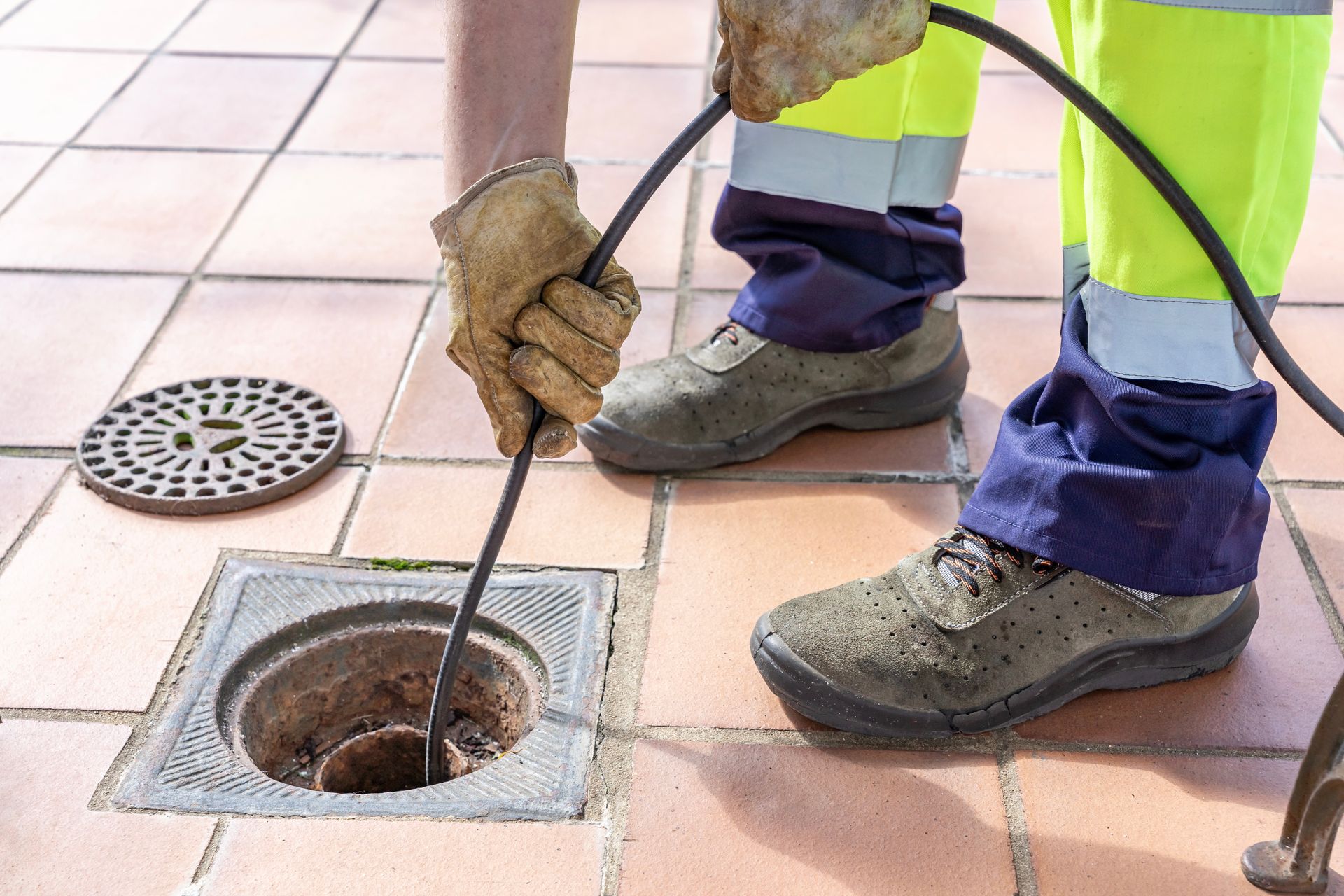



Fall Catch Basin and Storm Drain Cleaning: Preparing Your Western MA Property for Winter
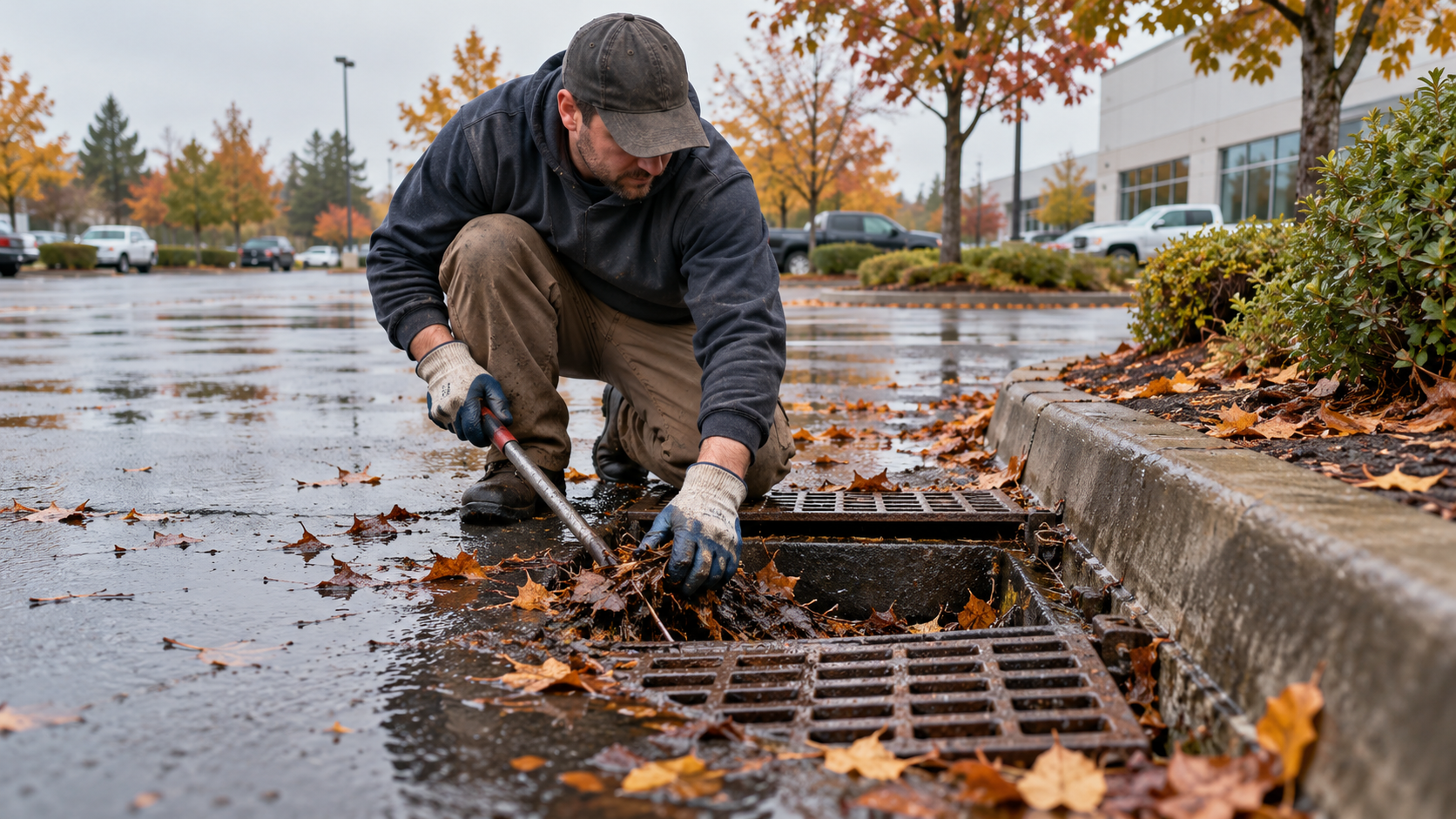
By late October, parking lots and walkways across Western Massachusetts are covered with fallen leaves. Many of those leaves end up around storm drains, especially after heavy rain washes them toward the edges of the pavement. What looks like a small pile of debris on top of a grate can become a bigger problem when the basin underneath is already filling up.
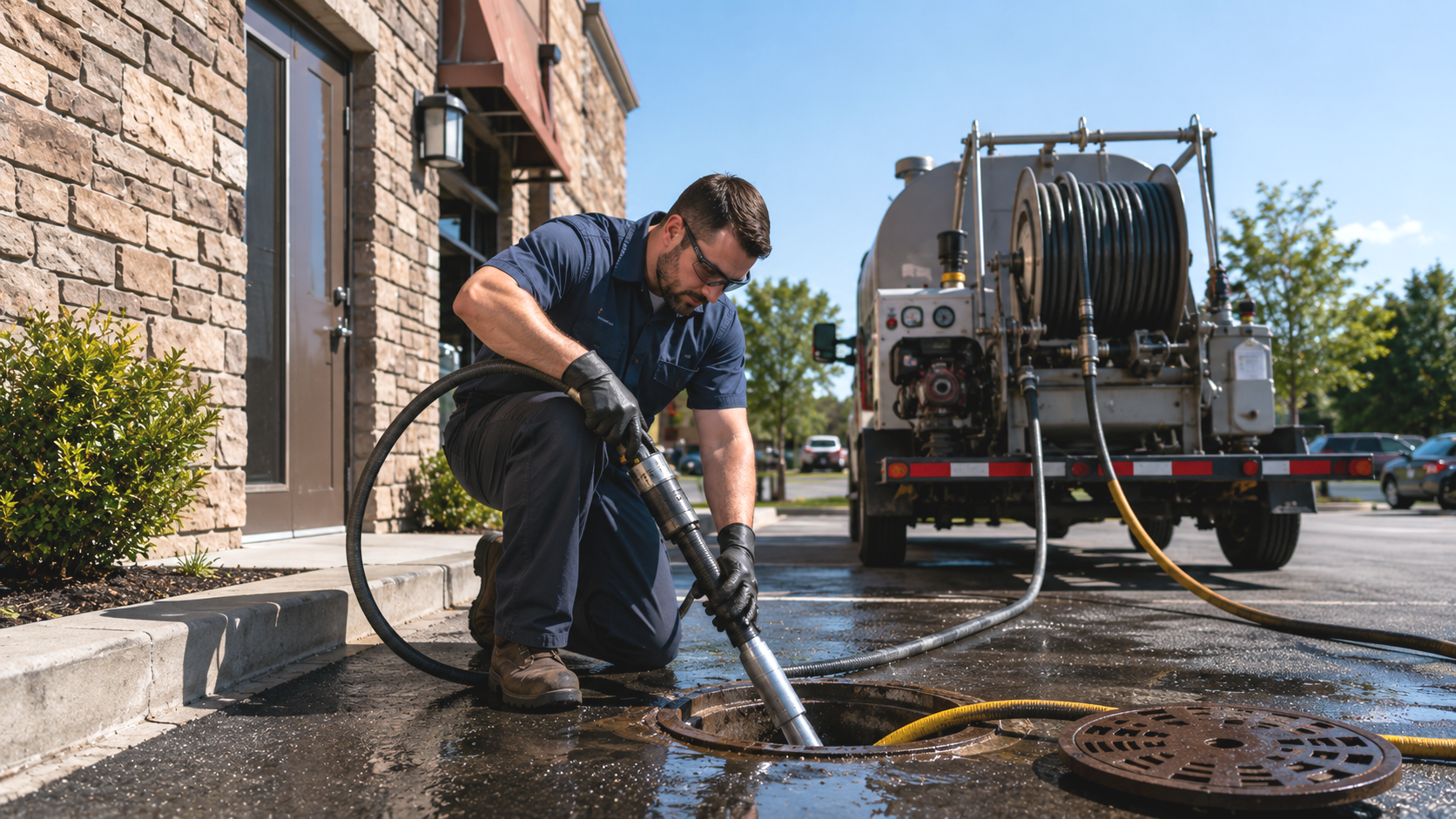
For commercial property managers, fall catch basin cleaning is an important maintenance task to handle before winter arrives. Cleaning out accumulated leaves, sediment, and other debris helps water drain properly and reduces the risk of standing water during colder weather. Taking care of catch basin cleaning before freezing temperatures arrive can help prevent drainage problems from becoming more difficult to manage.
Why Fall Catch Basin Cleaning Matters Before Winter
Catch basins are designed to collect rainwater and runoff from paved surfaces such as parking lots, driveways, and loading areas. Water enters through a grate and flows into the drainage system, while leaves, dirt, and heavier debris settle inside the basin. This helps keep larger materials from moving farther into the connected drain lines. When the basin begins filling with debris, there is less room for additional material and water to move through the system.
Fall creates additional challenges because leaves and small branches collect quickly around commercial properties. Wind pushes debris into parking lots, and rainfall carries it toward the nearest drain. Some leaves remain on the grate, while others enter the basin and settle below. Over time, this buildup can restrict drainage, especially if the system hasn't been cleaned since the previous year. Even a partially blocked catch basin may struggle to keep up during periods of heavier rainfall.
Cold weather makes these problems harder to manage. When temperatures drop below freezing, standing water can turn to ice, and accumulated debris may become more difficult to remove. A drain that was already struggling in November may have trouble handling rain or melting snow later in the winter. Scheduling maintenance during the fall gives property managers an opportunity to address these conditions before they become more disruptive.
What Happens When Storm Drains Stay Clogged?
One of the first signs of a drainage problem is water collecting in places where it normally drains away. You might notice puddles remaining in parking spaces long after a storm, water gathering beside a loading dock, or runoff spreading across a walkway. These problems can begin with leaves covering a grate, but they may also indicate that debris has collected inside the basin or connected pipe. Commercial storm drains help direct rainwater away from paved areas, and blockages can interfere with that process.
During winter, standing water creates another problem. Water left on pavement can freeze overnight, forming slippery patches where employees, customers, and tenants walk or park. Areas near entrances, sidewalks, and loading spaces deserve particular attention because people use them throughout the day. Keeping drains clear helps reduce the amount of water left sitting in these locations, although cleaning cannot prevent every drainage or ice problem.
Not all blockages are visible from above. Leaves, sediment, and trash that move beyond the catch basin can collect inside underground drain lines. Once debris becomes trapped farther into the system, clearing the surface grate alone may not solve the problem. Regular maintenance helps limit this buildup and gives property managers an opportunity to address drainage issues before they become more involved.
A Fall Drainage Checklist for Commercial Properties
Before winter arrives, take some time to walk around your commercial property and look at how the drainage system is performing. You don't need to wait for a major storm to notice warning signs. Checking the property after rainfall can help identify drains that need attention and areas where water isn't moving away as expected.
Here are a few things to check before winter:
- Leaves and debris covering drain grates. Look for wet leaves, dirt, or trash collecting around catch basin openings and limiting water flow.
- Standing water after rainfall. Watch for puddles that remain in parking spaces, loading areas, or near building entrances.
- Damaged or uneven grates. Check for grates that appear cracked, shifted, or no longer sit properly within the pavement.
- Visible buildup inside catch basins. Sediment, leaves, or trash collecting beneath a grate may indicate that cleaning is needed.
- Low areas where water regularly collects. Pay attention to sections of pavement where runoff gathers instead of reaching the nearest drain.
- Drains near heavily used areas. Entrances, sidewalks, and loading docks should receive extra attention because standing water can create problems during freezing weather.
A clear-looking grate doesn't necessarily mean the entire drainage system is working properly. Catch basins have space beneath the grate where sediment and debris collect, and that material isn't always visible from the surface. Professional parking lot drain cleaning helps address buildup that routine surface cleanup may miss.
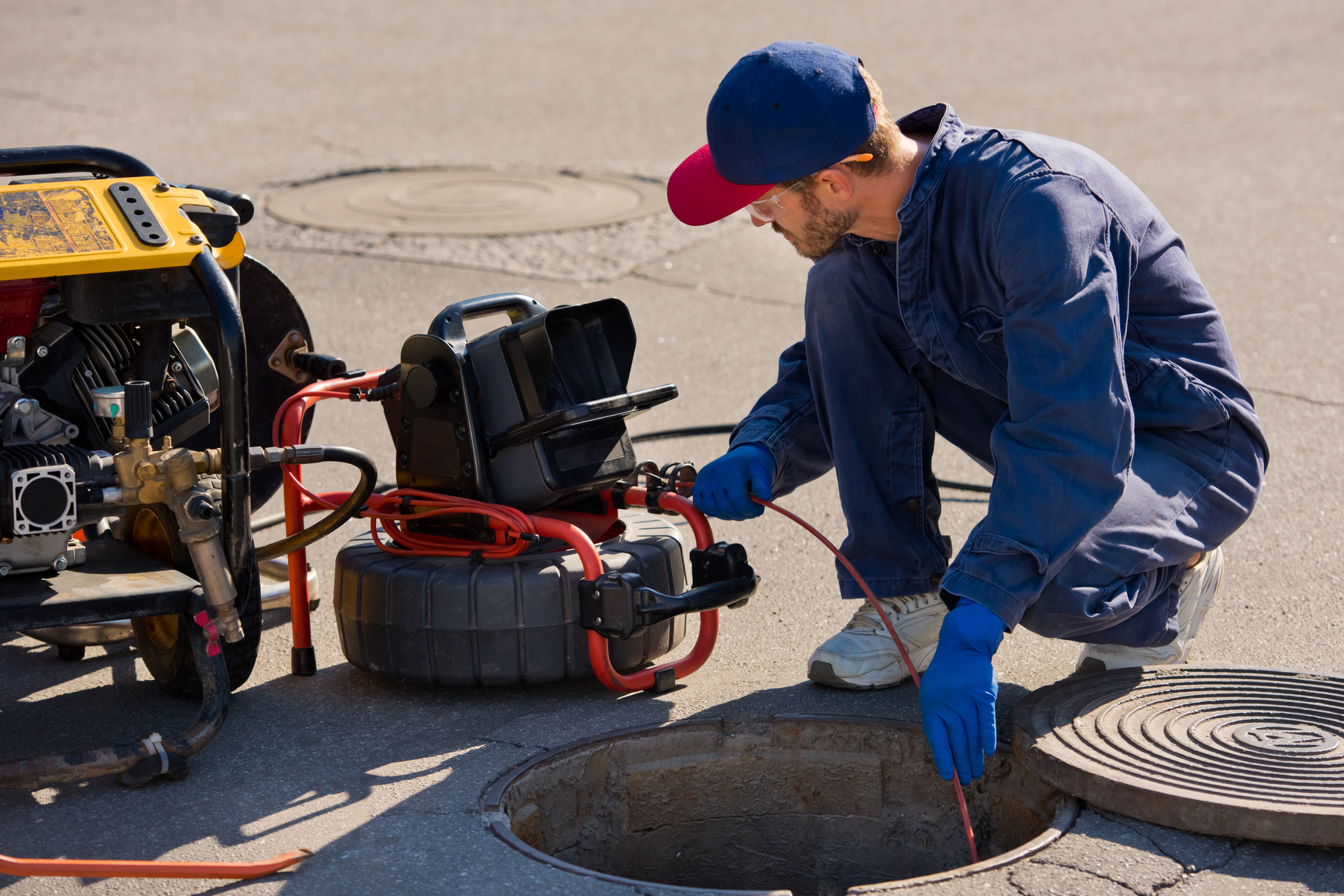
If water continues backing up after the basin has been cleaned, the problem may be farther inside the drain line. We offer sewer and drain camera inspections to help identify blockages and other problems in suitable piping systems. For a closer look at how these inspections work, read our guide on what a commercial sewer camera inspection reveals.
Identifying these issues during the fall gives property managers more time to arrange maintenance before winter weather makes drainage problems more challenging.
Professional Fall Drainage Maintenance Across Western MA
Commercial properties throughout Hampden County face many of the same drainage concerns during the fall. Parking lots collect leaves, storm drains handle runoff from paved surfaces, and catch basins gradually fill with sediment throughout the year. We work with businesses in Agawam, Springfield, Chicopee, Holyoke, Westfield, Wilbraham, and surrounding communities, helping property managers address these issues before winter.
Our services include commercial catch basin cleaning, storm drain maintenance, and parking lot drain cleaning. Depending on the condition of the system, this may involve removing accumulated debris, clearing blockages, inspecting drainage components, or addressing damaged grates and basin structures. We also offer scheduled maintenance for businesses that want to stay ahead of recurring drainage problems rather than waiting until water begins collecting on the pavement.
We recommend cleaning catch basins at least once a year, with more frequent service in areas that collect heavy debris or receive significant rainfall. Properties with large parking lots, nearby trees, or repeated standing water may need additional attention. Fall is a practical time to review that schedule and arrange cleaning while the system is accessible, before winter weather makes existing problems harder to address.
Schedule Commercial Catch Basin and Storm Drain Cleaning Before Winter
If the catch basins or storm drains on your property haven't been cleaned since last year, or you've noticed water collecting around parking areas, now is a good time to have them checked. Removing accumulated debris before winter can help reduce drainage problems during rain, snowmelt, and freezing weather.
At Hurley Plumbing LLC, we've served commercial properties throughout Western Massachusetts since 1975. We're licensed, bonded, and insured, providing drainage cleaning and maintenance for businesses across Hampden County.
To arrange fall catch basin or storm drain cleaning, schedule service with our team or contact us to discuss your property's drainage needs.
Frequently Asked Questions
How Often Should Catch Basins Be Cleaned?
We recommend having catch basins cleaned at least once a year. Properties that collect heavy debris or experience significant rainfall may need more frequent service. Regular cleaning helps remove accumulated sediment, leaves, and trash before they restrict drainage or create problems inside connected pipes.
Does Catch Basin Cleaning Help Prevent Flooding?
Yes. Catch basin cleaning helps reduce the risk of flooding by removing materials that can restrict water flow. When the basin and connected drainage system are clear, runoff can move away from paved areas more effectively. However, cleaning does not eliminate every possible cause of flooding.
Why Clean Storm Drains in the Fall Instead of Spring?
Fall cleaning removes leaves and other debris before freezing temperatures and winter weather arrive. This can help reduce standing water and drainage problems during rain or snowmelt. Spring cleaning is also useful, but it doesn't address material that remains in the system throughout winter.
What Happens if a Parking Lot Drain Stays Clogged Over Winter?
A clogged parking lot drain can leave water collecting on the pavement after rain or melting snow. When temperatures drop, that water may freeze and create slippery areas for vehicles and pedestrians. Debris can also remain trapped inside the drainage system, making maintenance more difficult later.