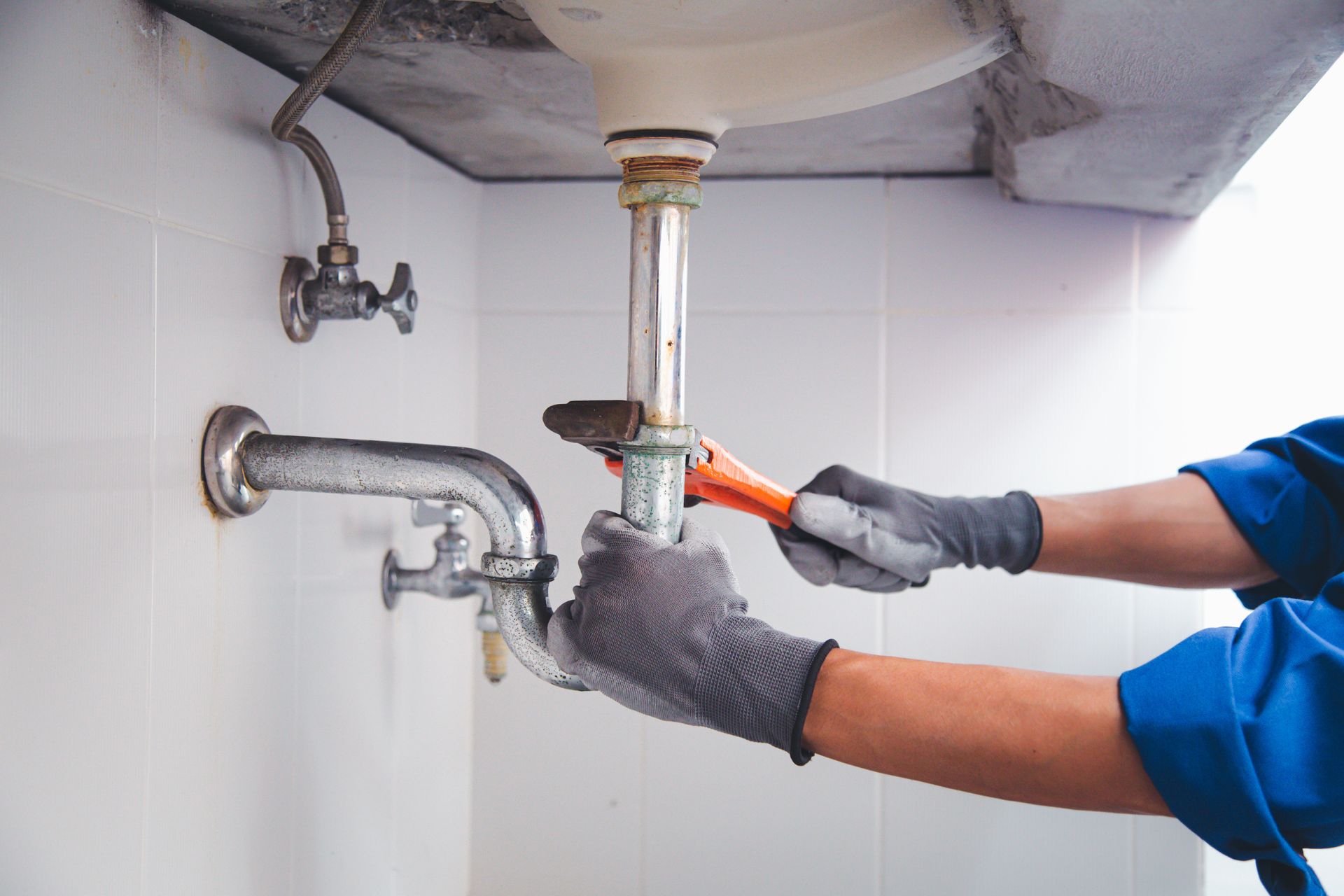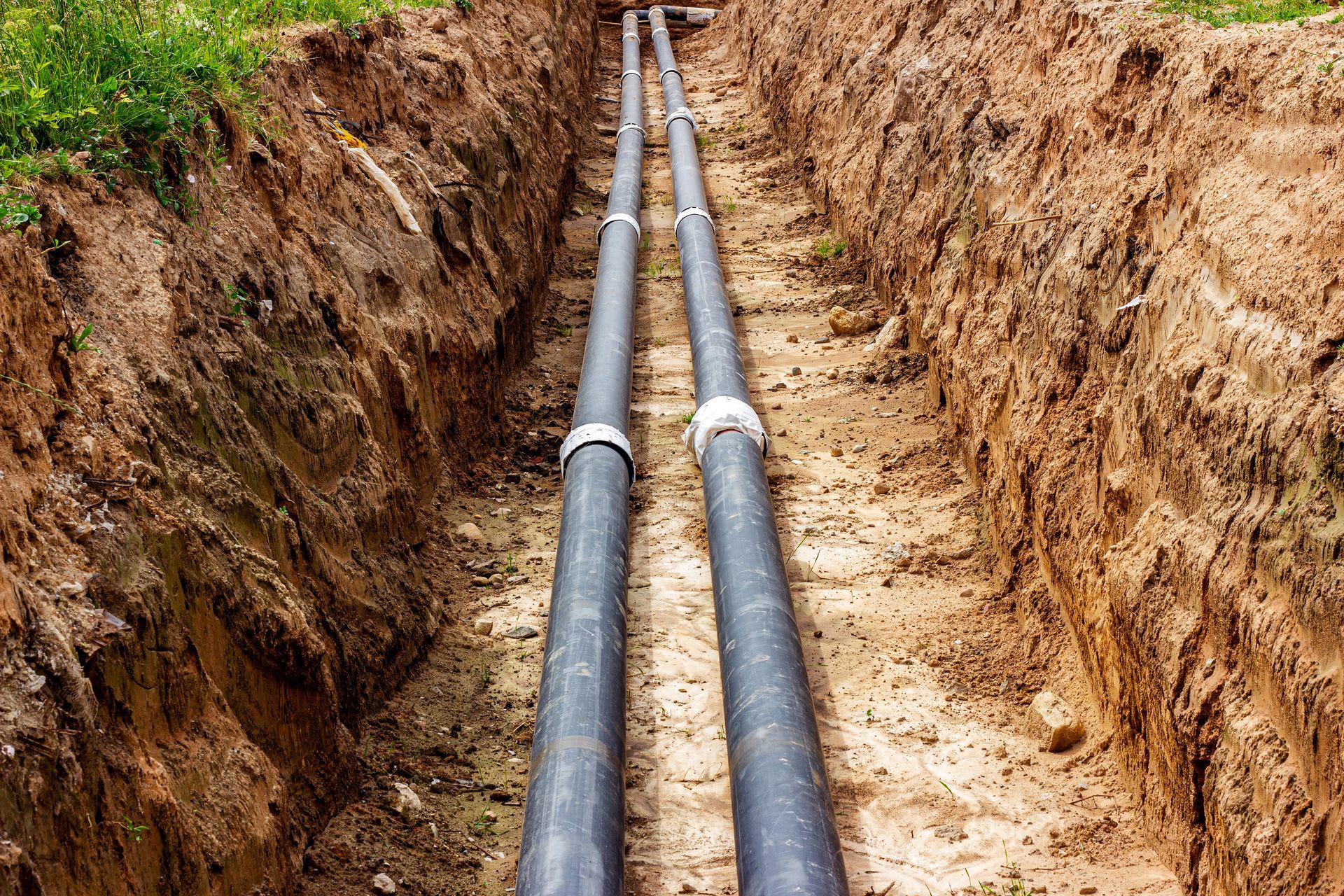



Signs Your Commercial Sewer Line Is Failing: Repair vs. Replacement in Western MA
A sewer backup is disruptive enough the first time. When the same line backs up again after it was already cleared, it becomes a bigger concern. Each service call costs money, but the real cost for a business can also include downtime, cleanup, odors, tenant complaints, and lost productivity.
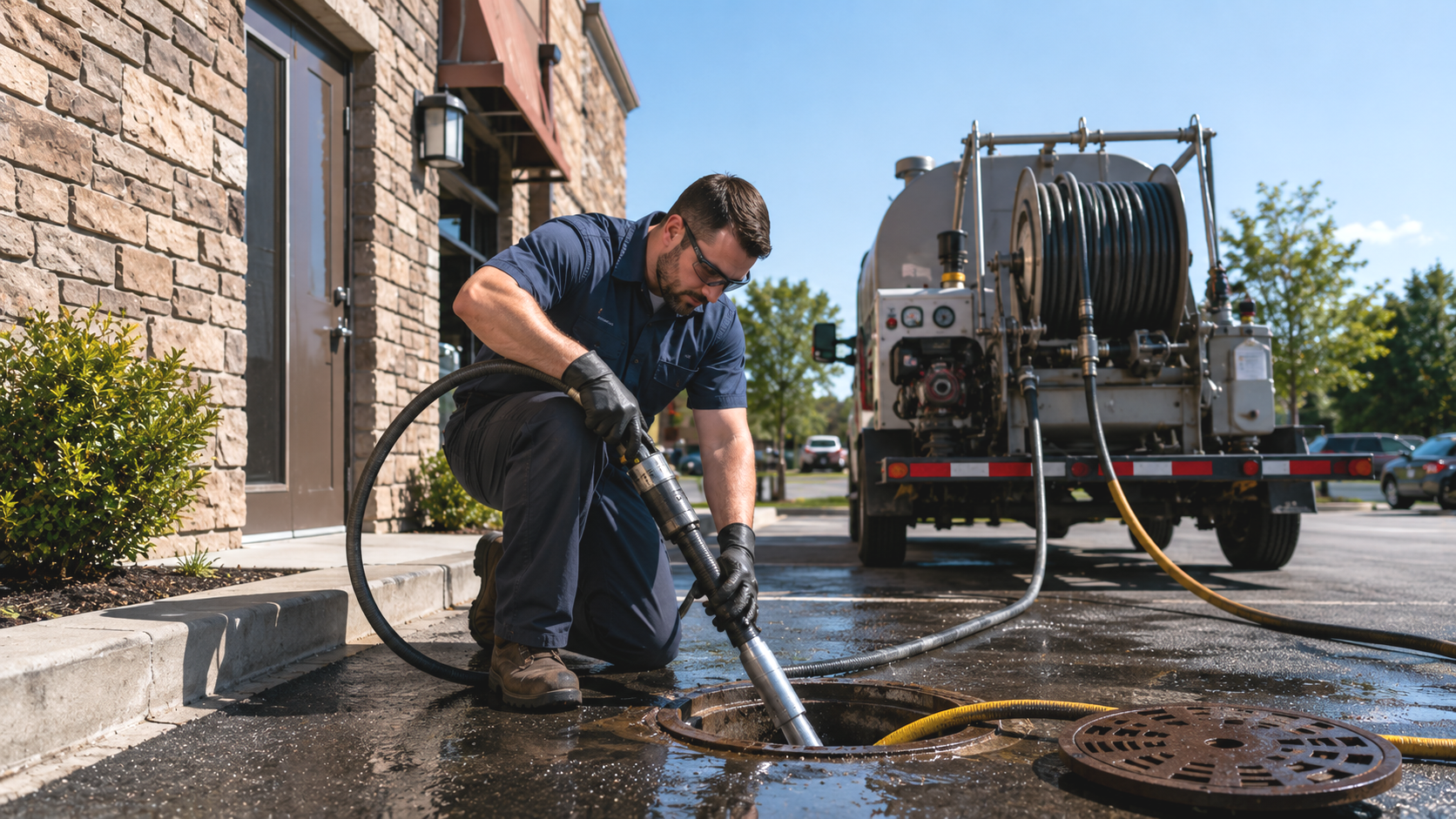
Commercial sewer line repair becomes part of the conversation when cleaning stops holding. The goal is not to jump straight to a major repair. The goal is to understand why the same issue keeps coming back and whether the line needs cleaning, repair, or replacement. Hurley Plumbing helps commercial properties across Western MA diagnose sewer line problems and decide on the right next step before the damage gets worse.
Warning Signs Your Commercial Sewer Line Is Failing
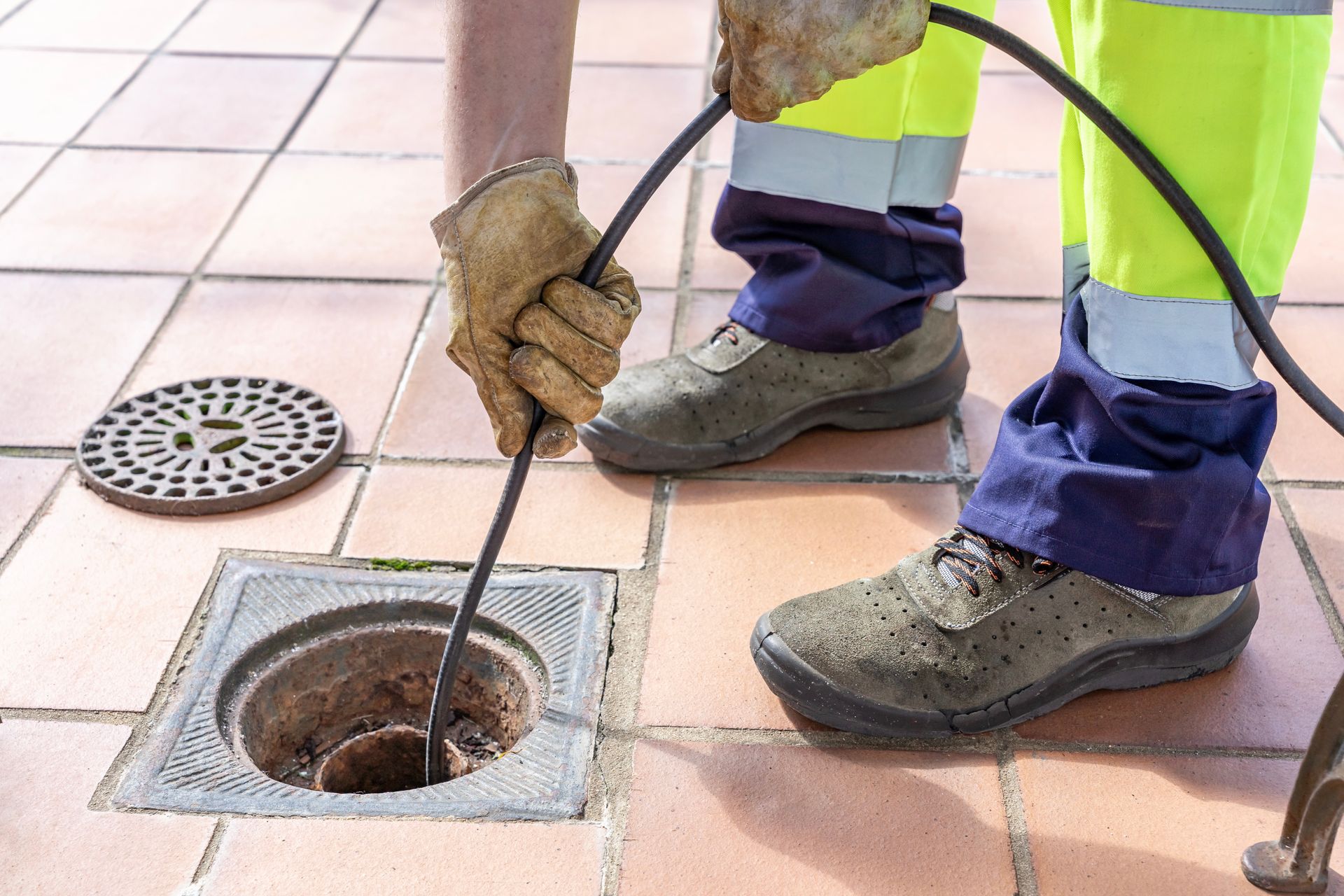
A single slow drain does not always mean the main sewer line is failing. Commercial buildings have many fixtures, branches, floor drains, and usage patterns, so one issue may be isolated. The concern grows when the same symptoms return or several symptoms happen together. Backups that come back after drain cleaning are one of the clearest warning signs. If the line is cleared and then backs up again a few weeks or months later, something may be catching waste inside the pipe. Grease, roots, scale, a low spot, or a broken section can all create the same pattern.
Multiple slow fixtures at once can also point to the main line. One slow sink may be local to that fixture, but slow toilets, floor drains, kitchen drains, and utility drains happening at the same time may mean flow is restricted farther downstream. Sewage odors near restrooms, floor drains, basements, utility rooms, loading areas, or outside along the path of the line should also be taken seriously. Outside the building, wet spots, sunken pavement, soft ground, unusually green patches of grass, or gurgling fixtures can all point to a sewer issue that needs a closer look. One sign may be worth watching. Two or more together are worth inspecting.
Why Sewer Lines Fail in Older Western MA Buildings
Western MA has many older commercial buildings, especially in Holyoke, Springfield, Chicopee, and nearby communities. Many buildings of this era may still have older sewer lateral materials underground. The material alone does not mean the line is failing, but it can affect how problems develop over time.
Clay pipe can last for decades, but the joints are vulnerable. Roots can enter through small openings at the joints and continue growing toward moisture. Cast iron can also last a long time, but age and use can change the inside of the pipe. Corrosion and scale can narrow the opening, and in some cases, the bottom of the pipe wears away first, a condition often called channeling.
Orangeburg pipe is another material that may appear in older properties. It was used from the 1940s into the early 1970s and was not built for unlimited service life. Over time, it can deform under soil pressure. Once it starts to flatten or fail, cleaning usually does not solve the underlying issue for long. The important point is this: no one can know the pipe material or condition from the surface. Older building stock makes inspection more important because the line itself may be part of the problem.
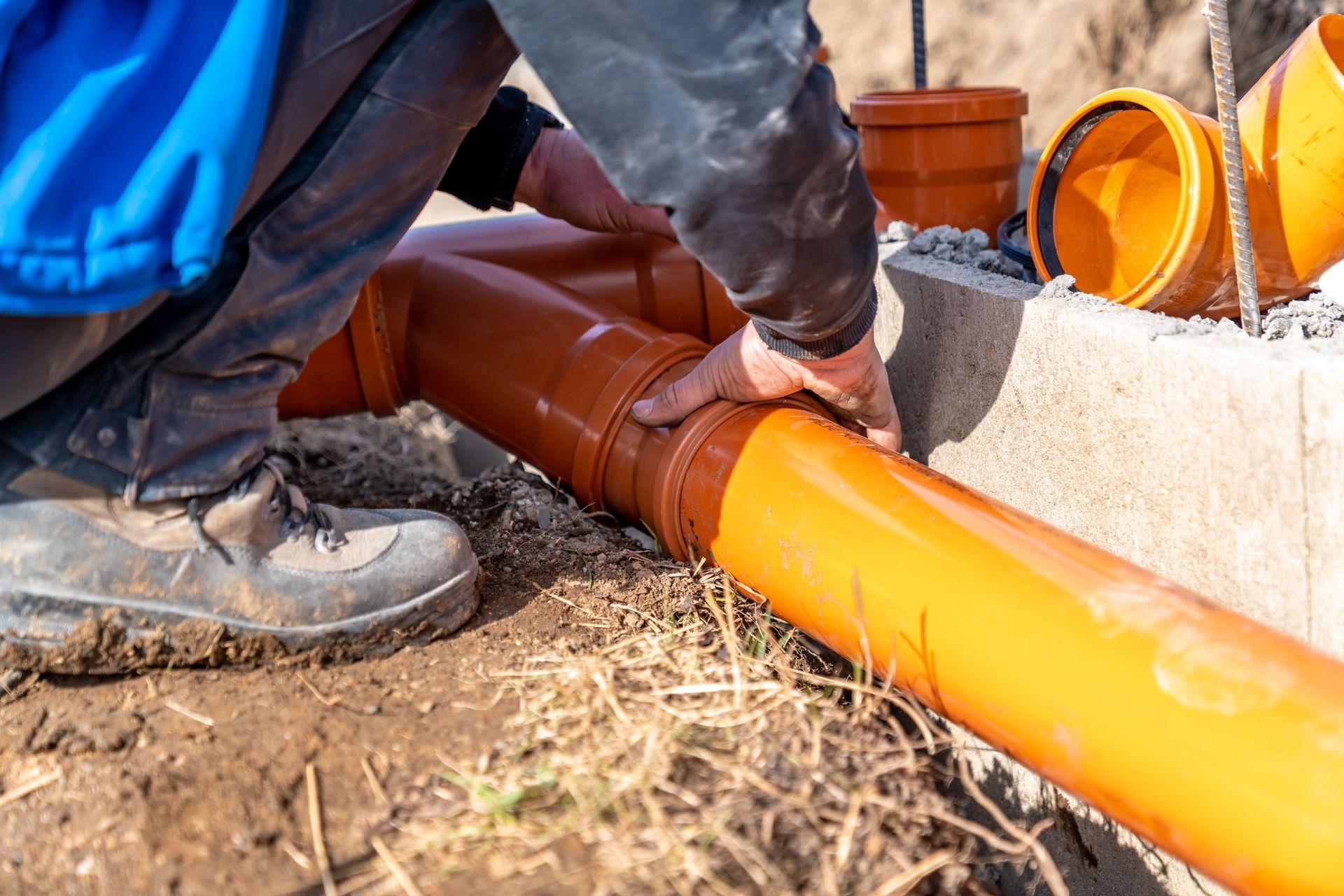
Confirm Before You Dig: The Camera Comes First
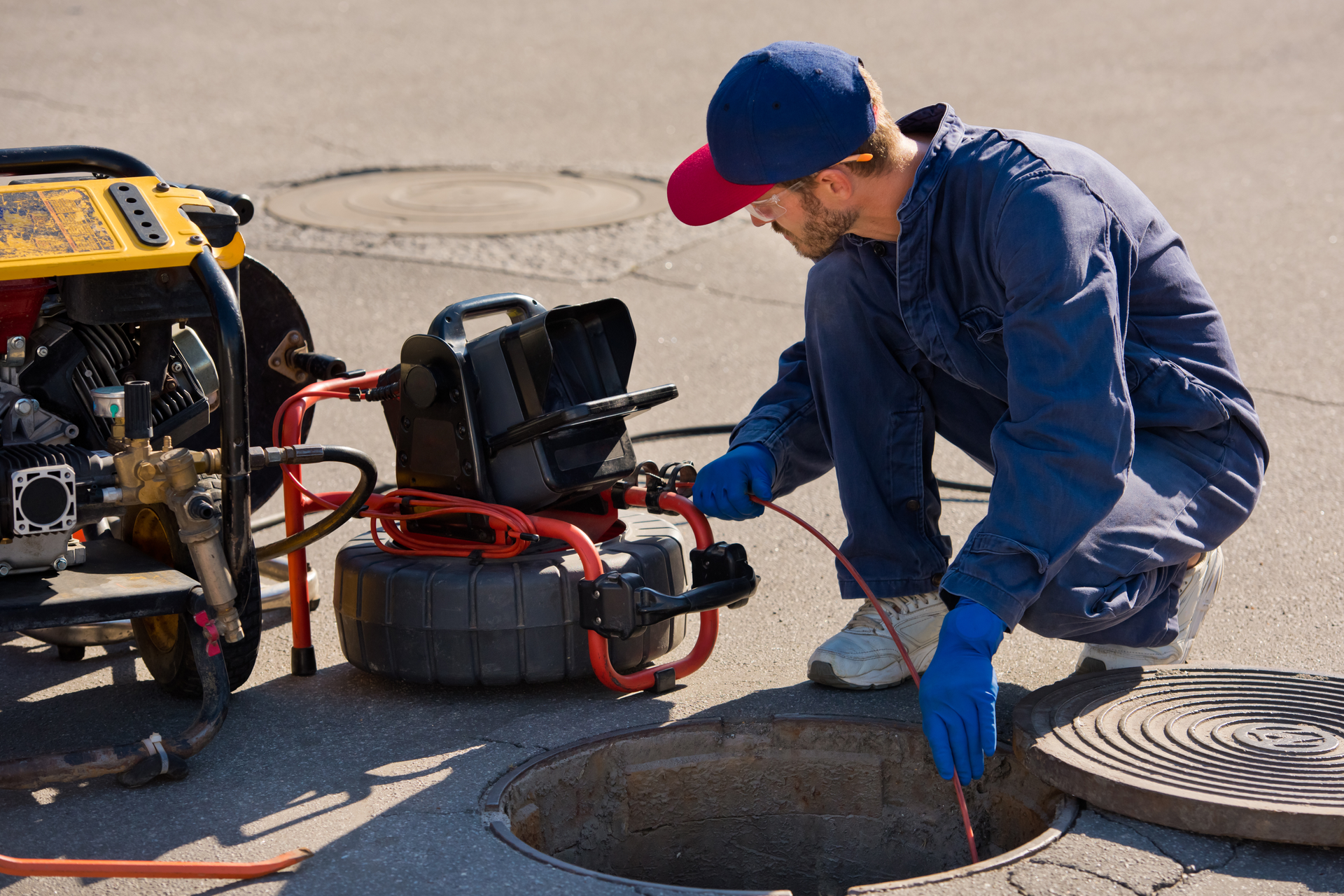
No major sewer repair decision should be made blind. A camera can show the pipe material, the location of the damaged section, the depth of the issue, and whether the problem is isolated or spread through a longer run. That information can help separate a cleaning issue from a cracked, offset, bellied, collapsed, or deteriorated line.
Hurley Plumbing’s sewer and drain camera inspections help property owners see what is happening before committing to repair work. For more detail on how video inspection works, see our camera inspection post. This step matters because the right repair depends on what the pipe actually shows, not just how the backup looks from above ground.
When Cleaning Is Still Enough
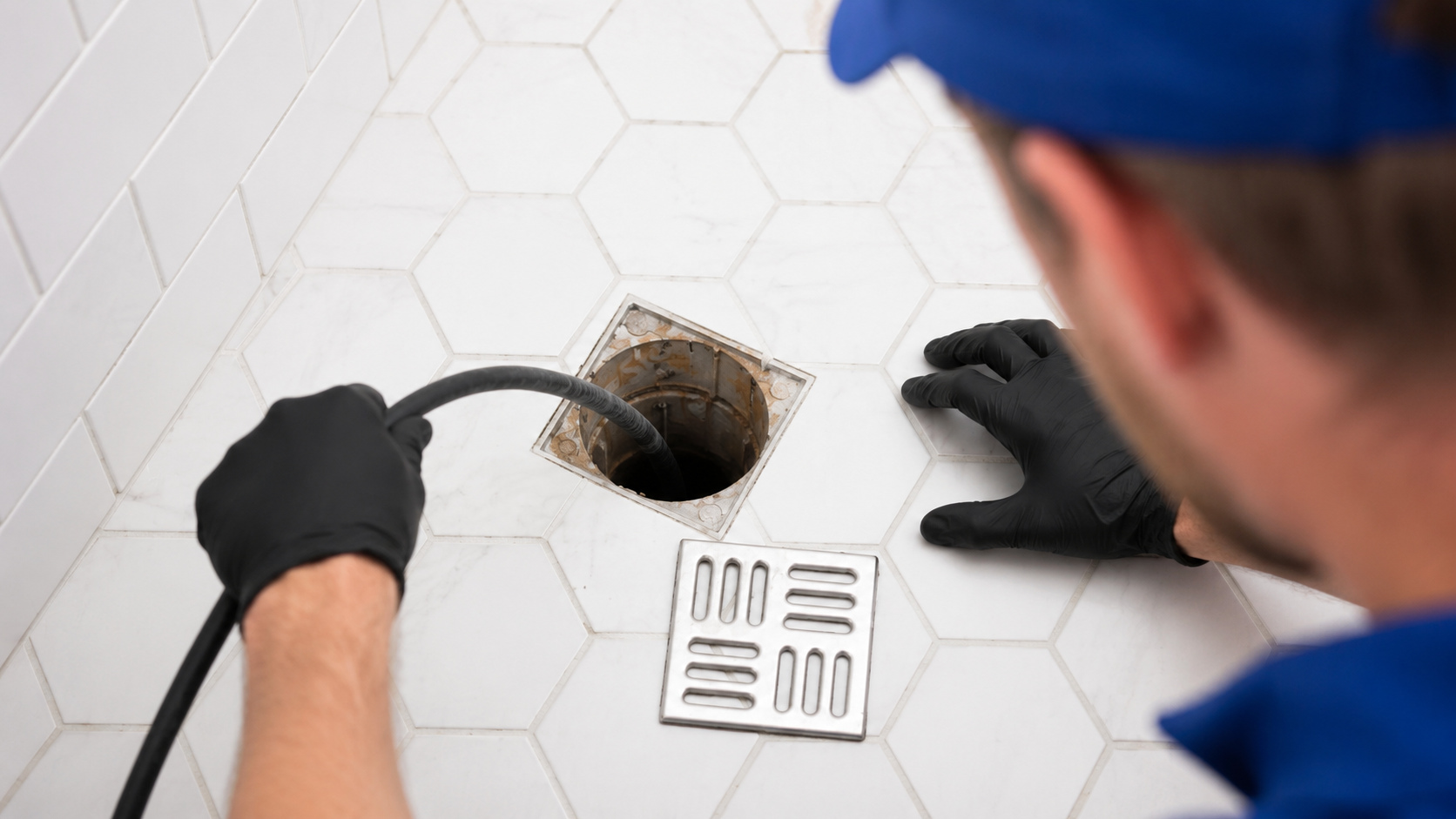
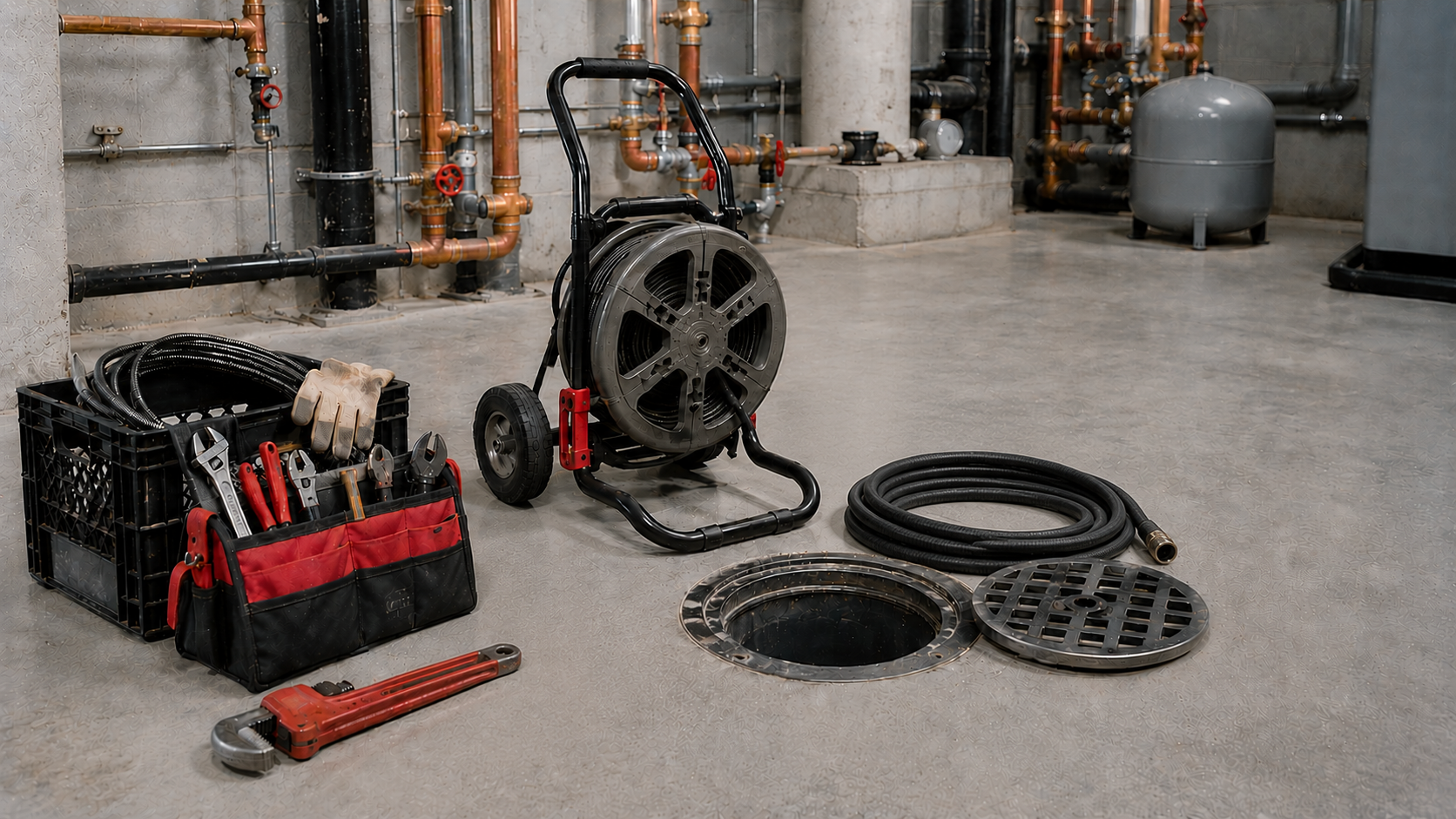
Not every recurring sewer issue means the line needs to be replaced. Some problems are still cleaning problems. Grease buildup in a restaurant line, for example, may need better maintenance and scheduled cleaning. Minor root intrusion may sometimes be managed with cutting and hydro jetting when the pipe itself is still intact.
The camera is what helps make that call. An intact pipe with buildup points toward cleaning. A fractured, deformed, offset, collapsed, or badly deteriorated pipe points toward repair. This is where honest diagnosis matters. A business should not pay for a replacement it does not need, but it also should not keep paying for temporary service calls on a line that is already failing.
Repair vs. Replacement: How to Make the Call
The right choice depends on the pipe condition, the location of the damage, and how often the problem has returned. A spot repair may make sense when there is one damaged section in an otherwise sound line. For example, one cracked area, one bad joint, or one localized break may not require replacing the entire run.
Some properties may also be candidates for trenchless repair options, depending on the pipe condition, slope, access, and repair method available. These options are not right for every situation. Some methods need the existing pipe to be structurally sound enough to support the repair. Others may need access points at both ends of the damaged section.
Trenchless work also has limits. If a line has a belly, the wrong slope, a full collapse, or a badly deformed section, the old path itself may be the problem. In those cases, excavation may be needed to correct the grade, remove failed pipe, or replace a section that can no longer carry flow properly. Full replacement becomes more likely when there are multiple failure points, repeated backups, collapsed sections, major root damage, or pipe material that has reached the end of its useful life. A good decision should consider repair history, pipe age, access, how much of the line is affected, and what a day of downtime costs the business.

Commercial Sewer Line Repair Across Western MA
Hurley Plumbing works with commercial properties across Western MA, including Holyoke, Springfield, Chicopee, Westfield, Wilbraham, and nearby communities. Older buildings, paved sites, active tenant spaces, restaurants, and industrial properties all bring different challenges.
Businesses looking for commercial plumbers in Holyoke, MA need a contractor who understands how sewer problems affect operations. A backup is not just a plumbing issue. It can shut down restrooms, kitchens, production areas, and tenant spaces. Hurley has served Western MA since 1975, and that local experience matters when the building age, pipe material, and business downtime all affect the repair decision.
Schedule Commercial Sewer Line Service
If the same sewer line keeps failing, stop paying for temporary fixes without knowing what is wrong. A proper inspection can show whether your building needs cleaning, targeted repair, or replacement.
Hurley Plumbing is licensed, insured, and experienced with commercial sewer and drain systems across Western MA. Since 1975, local businesses have trusted Hurley for practical diagnostics and reliable service. Schedule service today to find out what is happening underground and choose the right next step.
Sewer Line Repair FAQ
How long do commercial sewer lines last?
Commercial sewer line lifespan depends on the material, installation, soil, use, and maintenance. Clay pipe may last roughly 50 to 60 years. Cast iron can last around 50 to 100 years. Orangeburg often lasts about 30 to 50 years and is now past its expected lifespan wherever it remains. PVC may last 75 to 100 years or more.
Can tree roots be fixed without replacing the pipe?
Yes, minor tree root intrusion can sometimes be managed with cleaning or hydro jetting if the pipe is still intact. If roots have cracked, shifted, crushed, or deformed the pipe, cutting them out will not solve the issue long term. In that case, repair or replacement may be needed.
What does commercial sewer line repair cost?
Commercial sewer line repair cost depends on the depth of the pipe, length of the damaged section, access, pipe material, repair method, and whether pavement, slab, landscaping, or excavation is involved. A camera inspection helps turn a general problem into a real scope of work.
How do I know if my line needs repair or just cleaning?
A camera inspection makes that decision clearer. Intact pipe with grease, scale, or minor roots may need cleaning. Cracked, offset, bellied, collapsed, or deformed pipe usually points toward repair or replacement. If the same line keeps backing up, inspection should come before another temporary fix.